
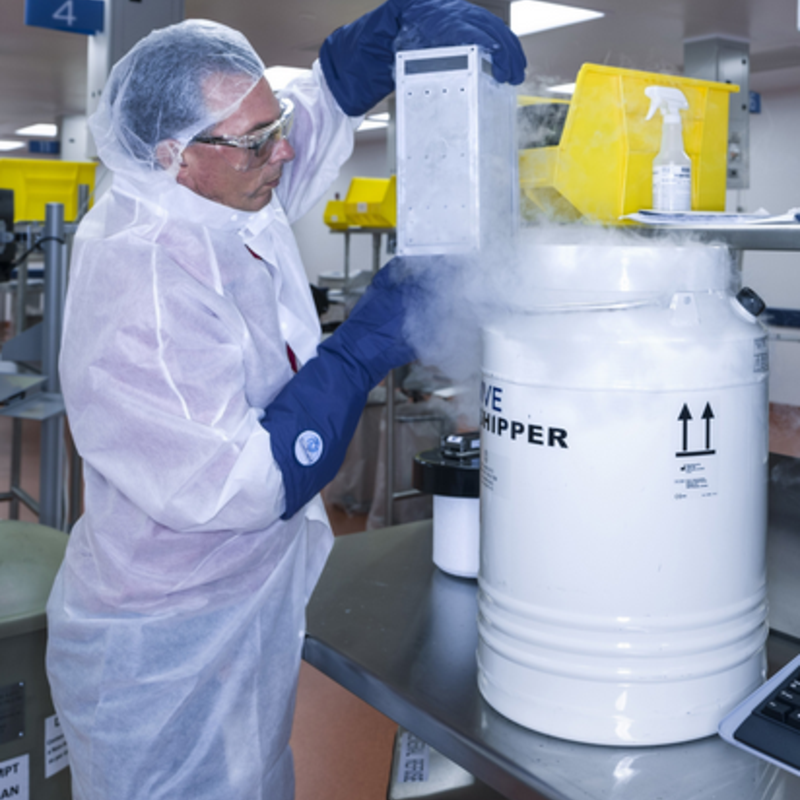
With a small number of facilities in the US, the logistics of individual treatment – and their length – are likely to limit patient access, creating new challenges for the national health systems. And the pricing structures raise issues with vast implications for insurers and patients alike
With costs per patient ranging from 425 000 $ announced by Novartis
Briefly stated, the labs pricing is based not on a ‘cost +’ basis but on the actual benefit as perceived by the patient, recovering from a deadly form of cancer or protecting eye sight from deteriorating to near total blindness. Rooted in the individual human aspiration to recover a healthy life, this approach reflects the relative freedom of the health industry to set prices – and to choose the criteria to do so
Collectively, this approach to pricing is troubling because, if and when the new forms of treatment start to address a growing number of critical diseases, patients will clamor for the benefits and rightly so. But none of the insurance systems, whether private or public, are geared to such an exploding cost basis
Choices would need to be made, pitching young against old, well insured against not insured, or simply favoring the well informed…not a socially and politically tenable proposition
New research may offer alternatives in the future
Using immune cells collected not from patients, but from healthy donors, ‘off-the-shelf’ CAR T-cell therapies, that don’t have to be manufactured for each patient, are being tested
French Cellectis
Numerous other approaches are under investigation. Researchers, for example, are using nanotechnology to create CAR T cells inside the body, developing CAR T cells with “off switches” as a means of preventing or limiting side effects like CRS, and using the gene-editing technology CRISPR/Cas9 to more precisely engineer the T cells
Research excerpts sourced from National Cancer Institute