
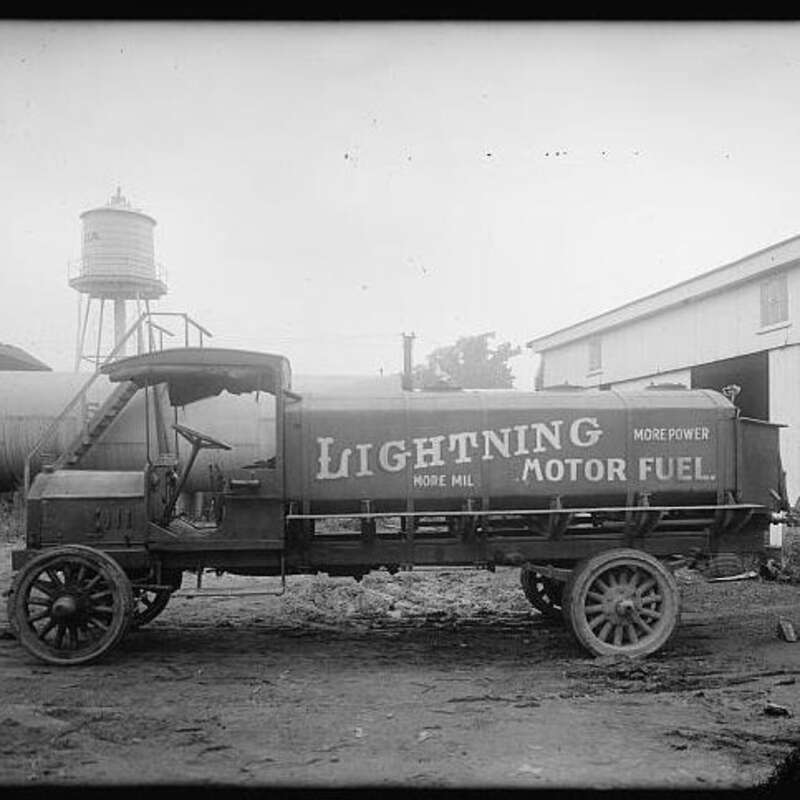
The midstream of the oil and gas industry is the middle tenet of the energy value chain, between production of crude and distribution of refined fuels
The firms treat the fossil fuels by removing water and waste products, compress and transport the fossil fuels over the pipeline networks which they operate
All the major midstream operators in the US are included in this selection with a dual purpose
First up, by setting apart the firms dedicated mainly to natural gas transport, and by comparing their performance to all-purpose ‘oil as well as gas’ midstream operators, over various timeframes, shifting demand trends may come to light, favoring one fossil fuel over the other, depending on export demand
The second factor of interest is the opportunity for consolidation in a fragmented industry
- The largest merger – confirmed in September ’23 – has been the acquisition of Magellan Midstream
by ONEOK , for $18.8 billion, creating one of the largest pipeline companies in the US, 50 000 miles of pipeline with access to nearly 50% of US refining capacity - In comparison, all the other recent M&A have been good ‘housekeeping’ such as ‘buy-ins’ of their midstream subsidiaries by Philipps 66
and by Shell , or quite small as Energy Transfer acquisition of Lotus Midstream ($1.45 billion) and Williams Companies buy-out of MountainWest pipelines ($1.5 billion) - New mergers are hard to anticipate but the companies in the $5 billion to $20 billion market range could be targets to watch
For investors, see the overview of the Analytics tab of the selection (below) with direct comparisons offering rich pickings....
- P/E within the 10-15 range
- FCF solid – with a majority above (sometimes well above) 5% of market cap
- Dividend yields in the 5-8% range
One last thought - Infrastructure, such as a pipeline network, is an economic moat offering compelling investment opportunities
- Demand for energy will not come down any time soon
- Natural gas exports, boosted by European demand since Russia's invasion, and by economic growth in Asia, are trending upwards
- Supply of pipelines remains constrained - even if energy permit reforms are engaged - with a higher cost of capital and ongoing environmental court challenges
Follow the lead...
- Taking a controlling interest in MidAmerican Energy in 1999, Berkshire Hathaway
changed the name to Berkshire Hathaway Energy and its pipeline network (21 200 miles) transports approx. 15% of natural gas consumed in the US
Two funds, tracking the midstream industry, are of interest
- Tortoise MLP Fund
- ClearBridge Energy MLP Fund