
It is – traditionally – being assumed that discretionary goods expenditures are more volatile than staples (non-durable goods) because of their correlation with the consumer cycle, reflecting economic expansion and recession
This may well be true over time but does not appear today to be a factor weighing as much as the shift within the discretionary goods segment
Although clothing & footwear, household equipment, home furnishings, automobiles, and auto parts continue to dominate the segment, spending allocated at these goods is on a downward trend as a percentage of total personal consumption expenditures
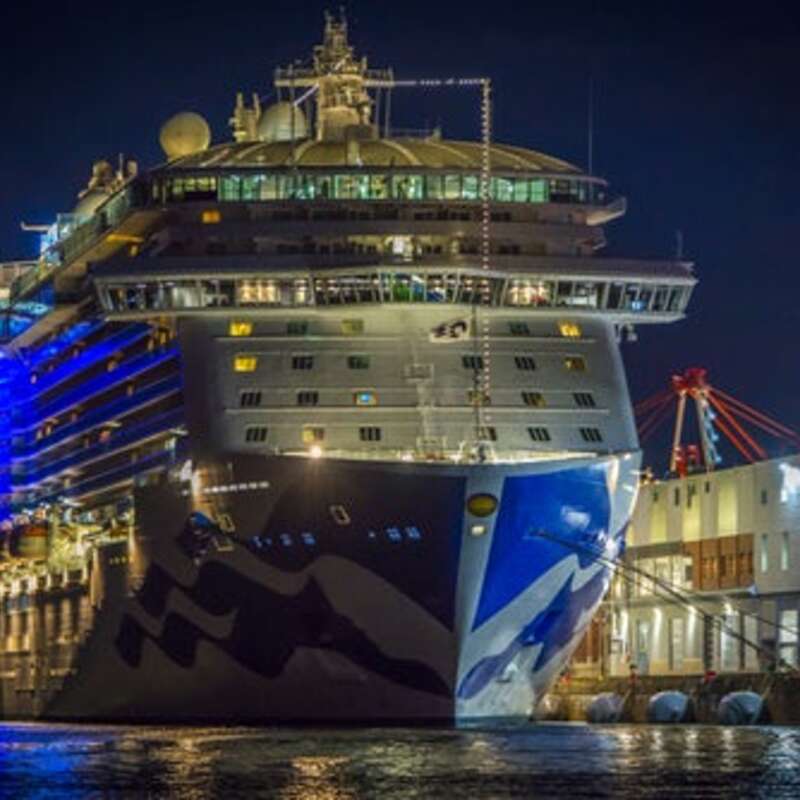
Non- material expenditures, recreation, tourism and restaurant services, are picking up the slack and growing at substantial rates from fairly small bases – and, because non-material goods make a perfect fit with online retail, ‘experiences’ should have an even brighter future
We do not receive any commission or other form of compensation from the providers included in our 'Funds' presentation