Robotics are being implemented in medical fields as diverse as diagnostics, rehabilitation, or non-invasive radiosurgery
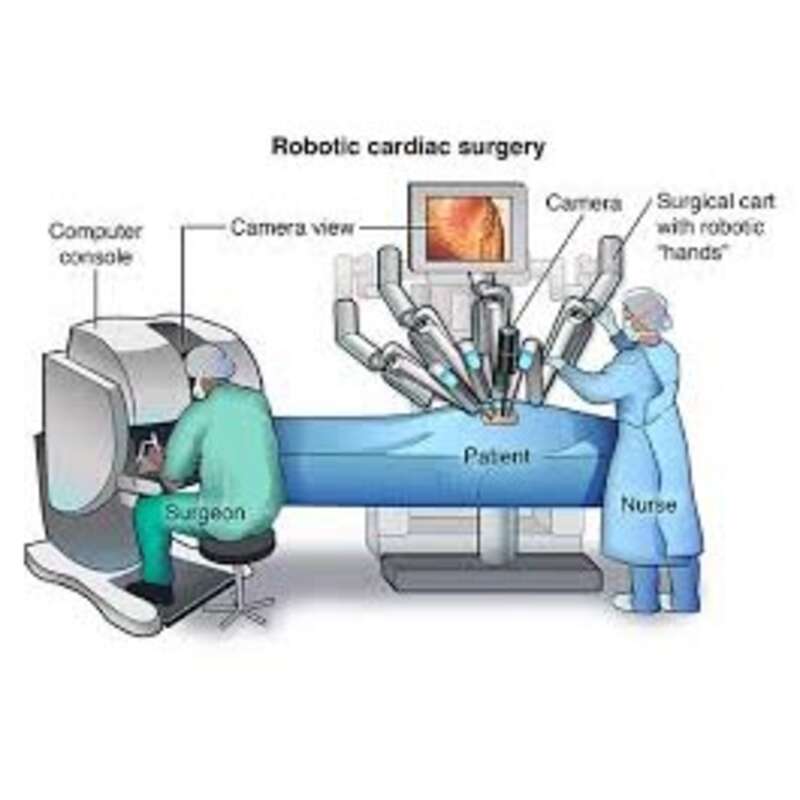
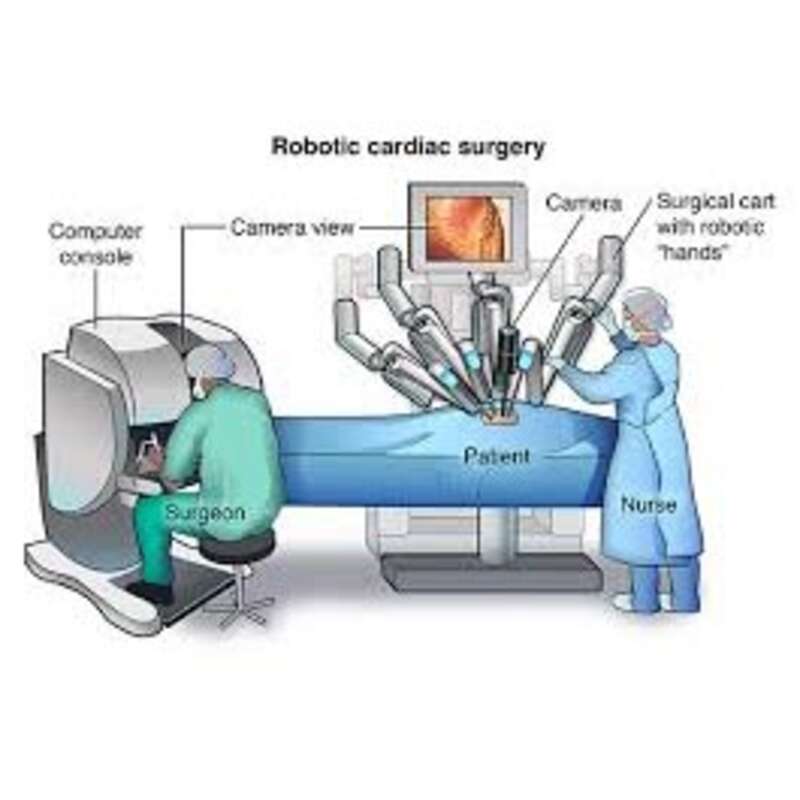
Surgical robots, assisting the surgeon in specialized operations, are the more complex devices, touted for their significant growth potential
Two treatments appear to stand out - laparoscopic procedures and orthopaedics - and the newer Ion robotic-assisted bronchoscopy system is gaining traction
Laparoscopy - also known as 'keyhole surgery' - avoids large incisions by inserting a 'laparoscope', a small tube that has a light source and a camera, which relays images of the inside of the abdomen or pelvis to a television monitor
Laparoscopic surgery without involving a robot has been universally practiced most commonly in gynaecology, gastroenterology and urology and the added value, which might justify the cost of robotics, continues to be discussed
Da Vinci robots, by Intuitive Surgical,
- A single robotic system costs around $2 million (depending on the model) - 341 of the systems in Q2/2024, up from 369 in the same quarter the year before
- The surgery costs range from $3 000 to $6 000 (for the single-use or disposable surgical tools used for robotic arms)
- The annual maintenance cost of robotic surgery devices usually costs between $100 000 - $170 000.
- The recently introduced Ion robotic-assisted bronchoscopy system was adopted at 55 locations during the first quarter '23 (after 34 installations in the last quarter '22) - further details about this complex technology do not appear to be publicly available
The market is evolving and as Intuitive starts losing the patents of its inventions, it can be assumed new entrants are preparing their own range of robotic surgery applications, such as Medtronic or Johnson & Johnson following the acquistion of Auris, even though the large installed base and the strong presence of surgeons trained on the da Vinci robots will be hard to beat
Robotics applications in orthopaedic implant surgery have attracted significant interest from most major device makers, such as Stryker, Smtih & Nephew, Zimmer Biomet or Johnson & Johnson DuPuy Synthes division - a competitive environment with large market potential
With ever increasing miniaturization allowing for more versatile robotic arms, the range of procedures surgical robots may assist will continue to expand, focusing the interest of the very large medical device suppliers
For now, Intuitive's powerful moat - buttressed by the extensive training required - has withstood competitive challenges
Asensus Surgical., formerly TransEnterix, Inc., Invalid tag asset, a competing medical robotics company. has valiantly tried - and failed - to stand up to Intuitive
The ROBO Global® Robotics & Automation ETF