The comments on China's EV future, published in 2018, and updated to account for the COVID slump, remain on file for informative purposes only
Essentially correct, the projections were still well below the mark, considering China's dominant global position today
In a note to be published shortly, the charger networks - 11 million units in China, 600 000 in Europe and 60 000 in the U.S. - and other statistical trends will be discussed
Tesla
***
Comments dated 2018/2021
The domestic Chinese market may not be any longer the driver of the automotive industry worldwide and a key factor for strong exporters such as Germany
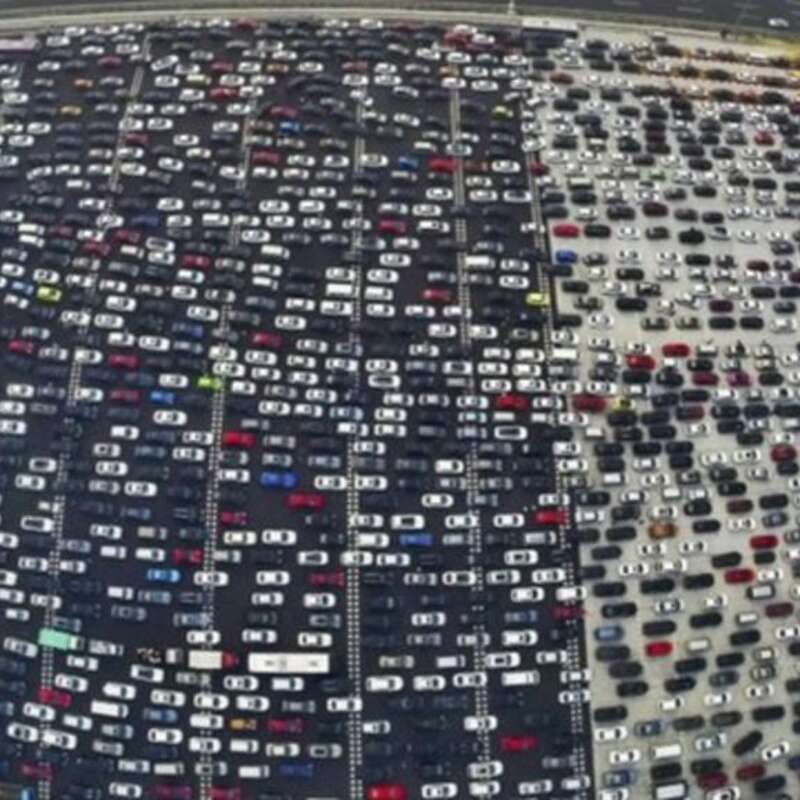
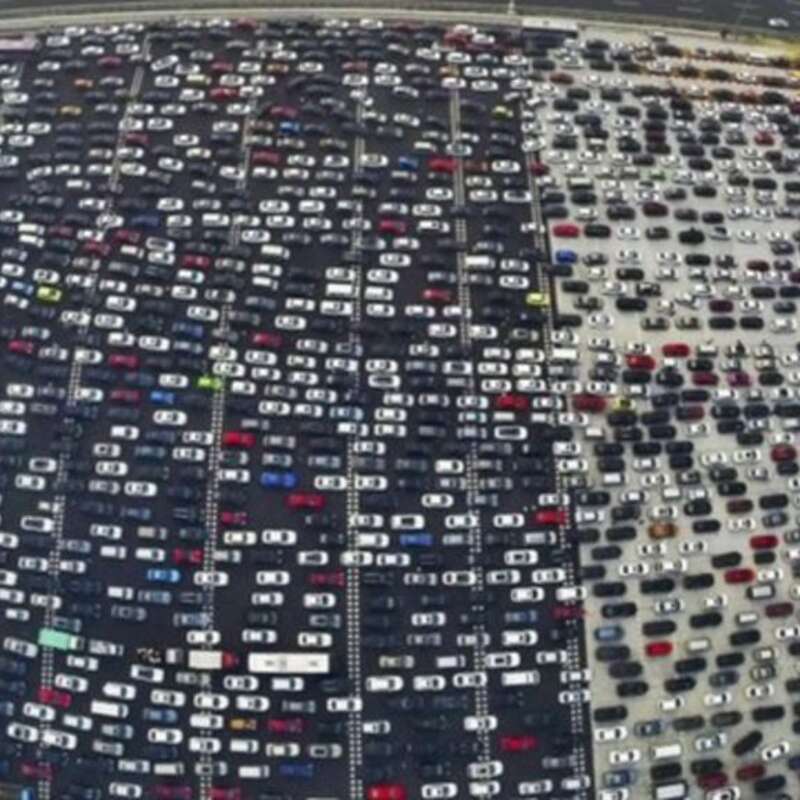
Impacted by the pandemic in 2020 and by semiconductor shortage, full year sales in China are expected to hover around 25 million cars in 2021, roughly in line with market performance since 2018 (ignoring the slump due to the COVID crisis)
Consumer demand is in fact maturing but with an important caveat, reflecting a deliberate regulatory shift in China's industrial policy (as discussed extensively in our notes)
Though Chinese manufacturers may not have mastered the technology of the combustion engine as thoroughly as their western partners, electric vehicle production (EVs), replacing the engine and the power train by a battery, upends the dynamics of the car market entirely
Recent trends reflect the market shift - with 12 months sales of EVs doubling to 321 000 units (as of Sept. '21) and 18% of total sales - already within reach of the official 2025 target of 20% EV deployment. Fossil fuel cars are losing ground faster than originally expected
Chinese 5-to-7 year industrial planning points the way with fast expanding domestic battery production capacity - lead by battery giant CATL - to anticipate worldwide demand
EV penetration in Europe is reaching 15% while the U.S. still lags (3%)
Long term contracts securing control over the natural resources such as lithium and cobalt on other continents for Chinese manufacturers are mostly in place
As a result, China as major export market for leading car manufacturers is about to be disrupted by the two-pronged Chinese policy of regulation and government supported investment