
For all its success as acclaimed author of 80 novels, Jules Verne (1818-1905) is not precisely the visionary of modern technology he has been made out to be
True, adventure novels including Journey to the Center of the Earth (1864), Twenty Thousand Leagues Under the Seas (1870), and Around the World in Eighty Days (1872) have contributed to his enduring success
However, rather than calling on ‘fiction’ to describe a new world, Verne observes the transformative potential of science
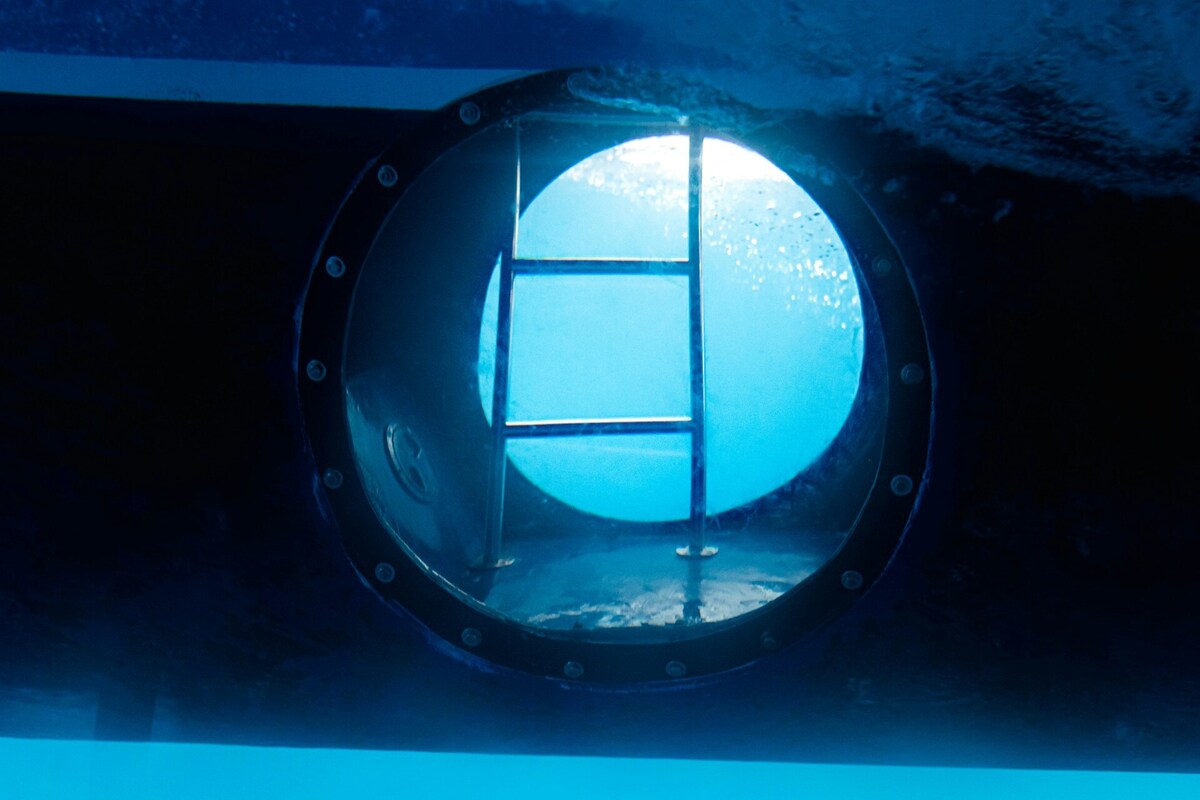
Looking out through the porthole of the Nautilus submarine (of Twenty Thousand Leagues fame), Jules Verne watches with keenest attention how exhilarating scientific progress in his own time frees humanity of age-old limitations
Rather than taking anything for granted, the inventor of Verne’s novels relies on science to break through conventional barriers, deep in the sea and high in the skies
The inventor is heroic in his convictions – and tragic in his overreach
Jules Verne’s true vision is the fine understanding of the immense, back-breaking challenge of inventors, in his time and in ours, to recast human expectations and to shed the ‘old’
Crossing the readers' generational divide with a keen sense of technology’s promises, in his own time and for times to come, all of Jules Verne’s novels are odes to technology potential
In the cusp of innovation, science comes alive in the words of Verne as a dreamlike visualization of a new world of possibilities
This is why the novels have entranced the young readers as adventure come true – but gripping their parents with the ambiguities of ‘scientific progress’
For all those admiring Verne’s work, his tribute to knowledge ripe for discovery was suffused with excitement at the new frontiers moving with human ingenuity
Verne’s late novel – Maître du Monde (Master of the World) – published in 1904, a year before the author’s death at the age of 77 – lays out in stark words with the simplicity of a seasoned storyteller how it all ends (badly)
The self-described Master of the World indeed had every reason to wear this badge, proudly and without a glint of self-doubt
Heroic to the end, the inventor proved to the world how profound mastery of scientific advance and, more decisively, of the energy sources liberated by electricity turned every means of transport upside down
By road, the car of the ‘Master’ beat every petrol vehicle by a very, very long mile(s)
By sea, the no less mysterious boat was as innocent as provocative to civilian and military fleets
By air, the launch in roaring fire of the ‘Master’ aeroplane was an event to behold, but much less to understand
And it was of course all the same vehicle, astounding in its versatility
Waking up to the invention’s potential, military before all else, nations competed with million-dollar offerings for a stake and, when rebuffed with a slap on the wrist, confused America turned to what was believed to be overwhelming power (to no more effect)
Written so late in the life of an author who made his name with the long series of adventurous ‘Extraordinary Travels’, “Master of the World” echoes in the mind of a contemporary reader for different reasons
The sparseness of the words, as well as the plain and deliberate caricature of the sequence of events, conjure a warning …
When mastery of the road and of the skies nurture humanity’s wildest dreams, inventors may indeed thrive on ubiquity and economic and social dominance, and bask in universal applause
But it is ultimately the tragedy of the heroic inventor – in Verne’s telling – to meet indomitable force, Nature itself – even when caution had wisely urged the hero to stay aside from official entreaties
Are those most precious inventions for humanity destined to meet blind, overwhelming and ultimately destructive power, brought down by brutal storm over enraged oceans in Jules Verne’s novel or… by no less massive wars of words and deeds ripping societies at the seems
It is remains an open question to this day